
Scaling Biochar in California: The Sitos Treehouse Plant Nears Commercial Production
From Pilot Plant to Commercial Scale
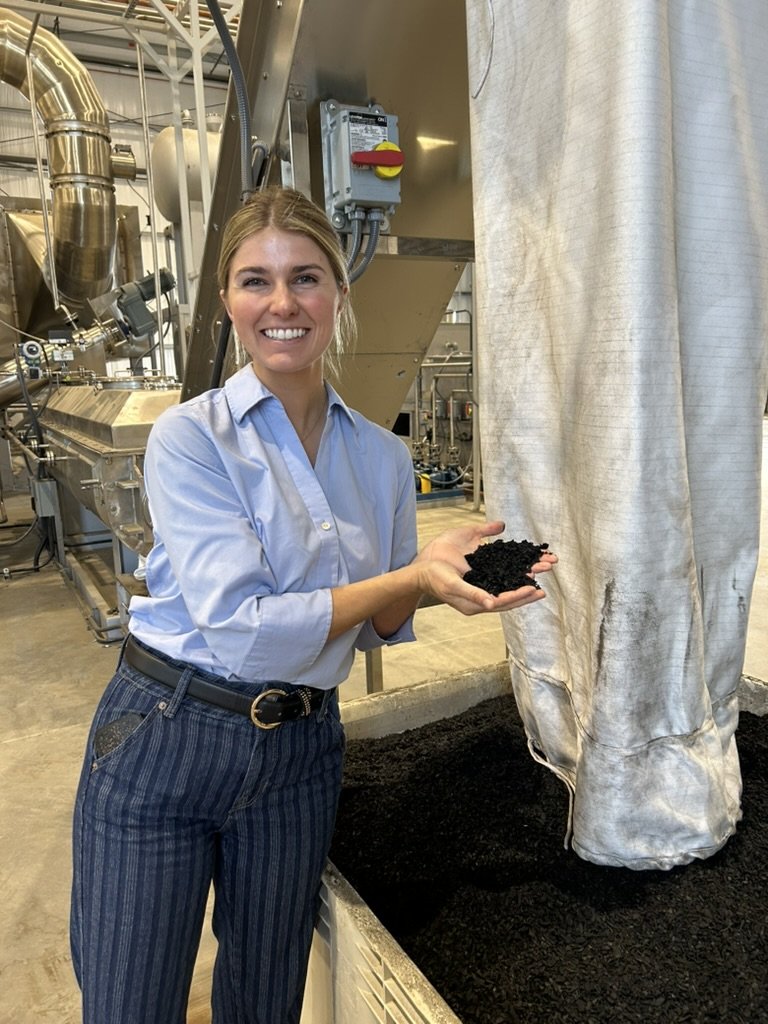
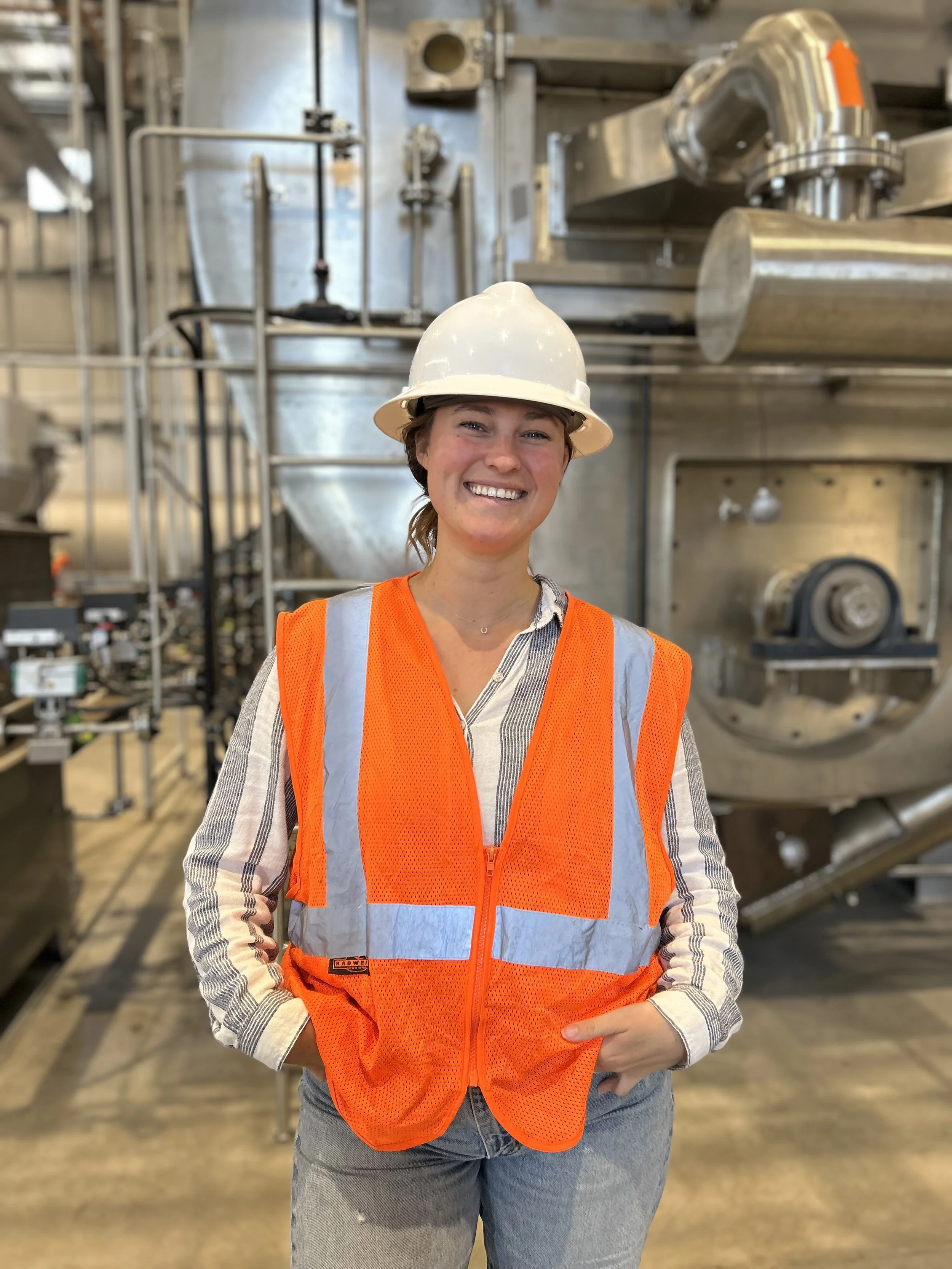
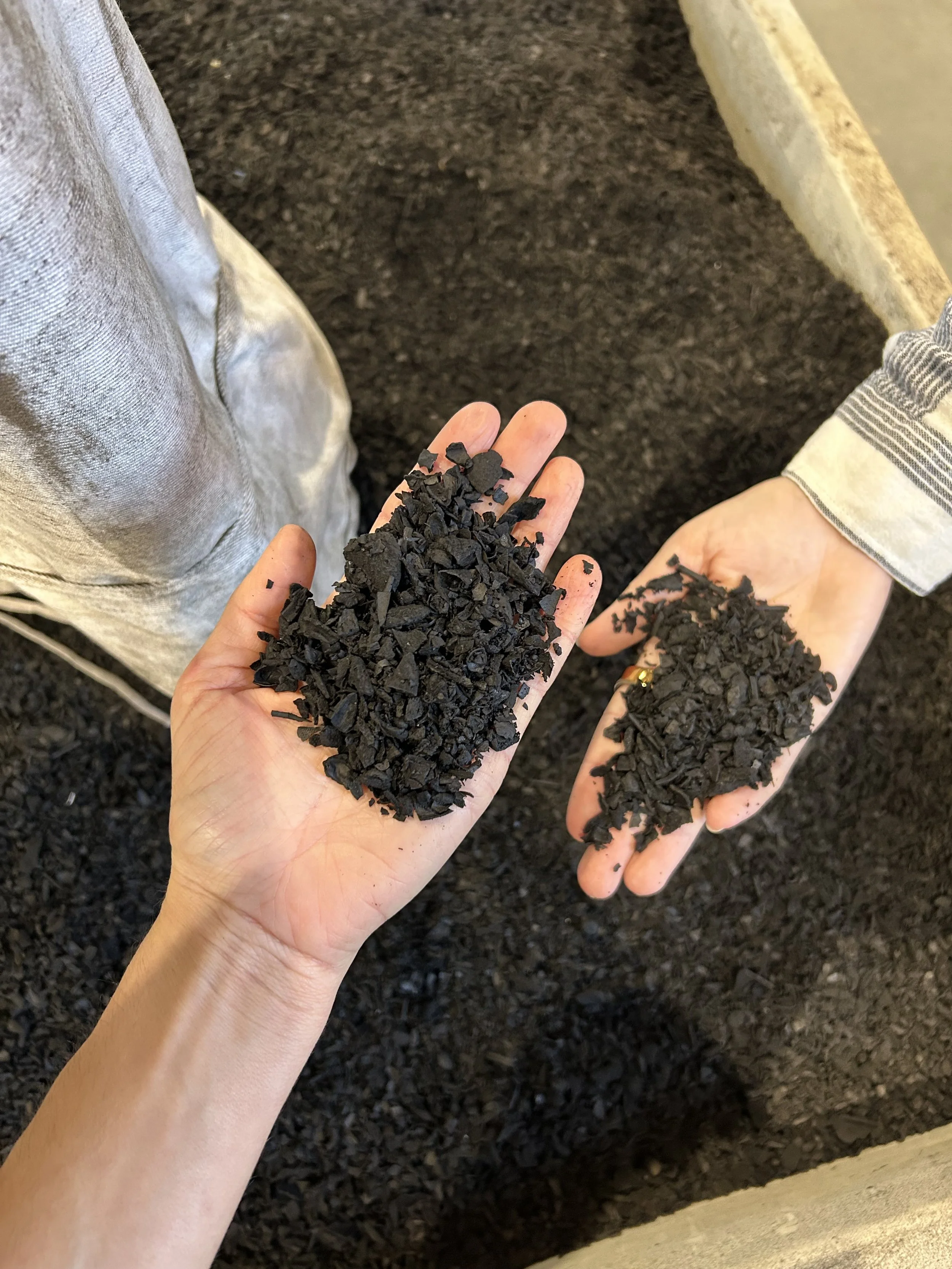
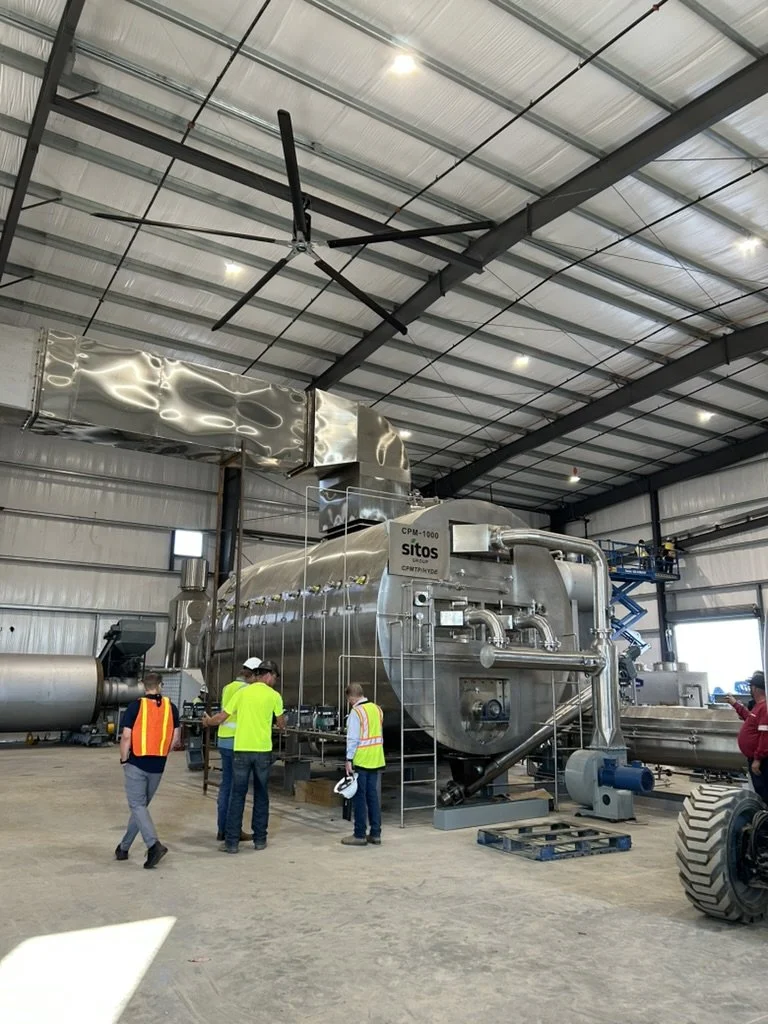
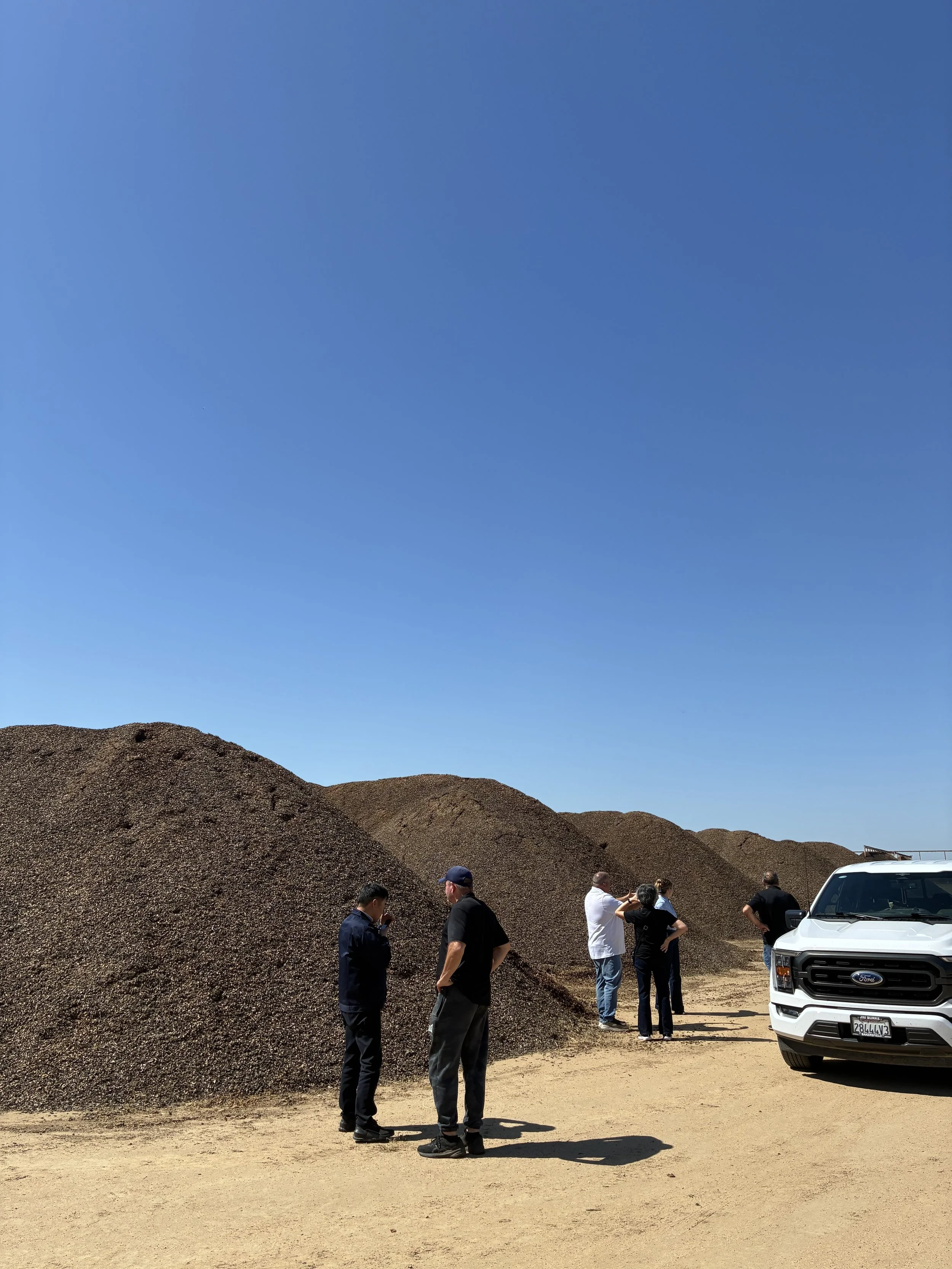
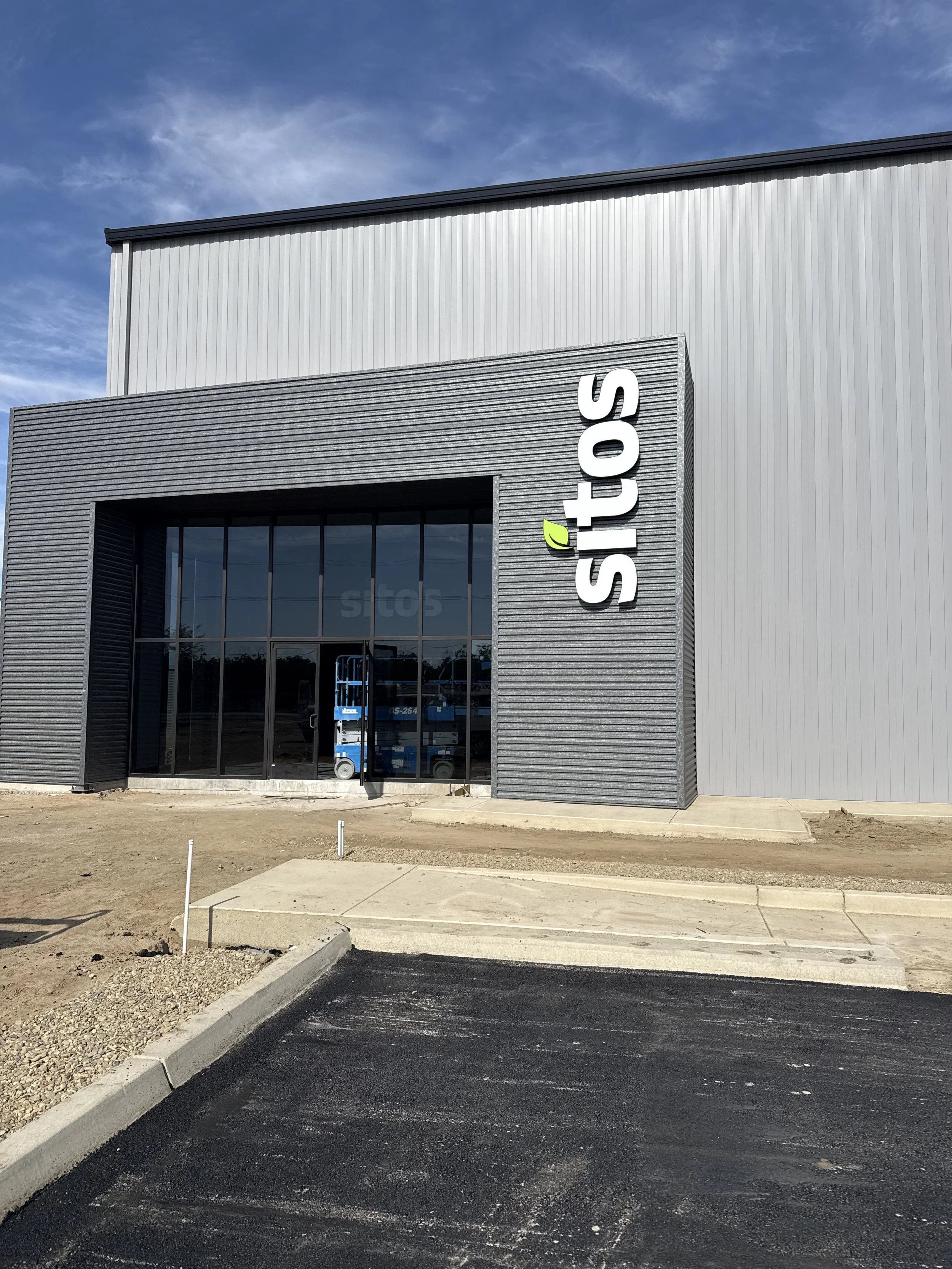
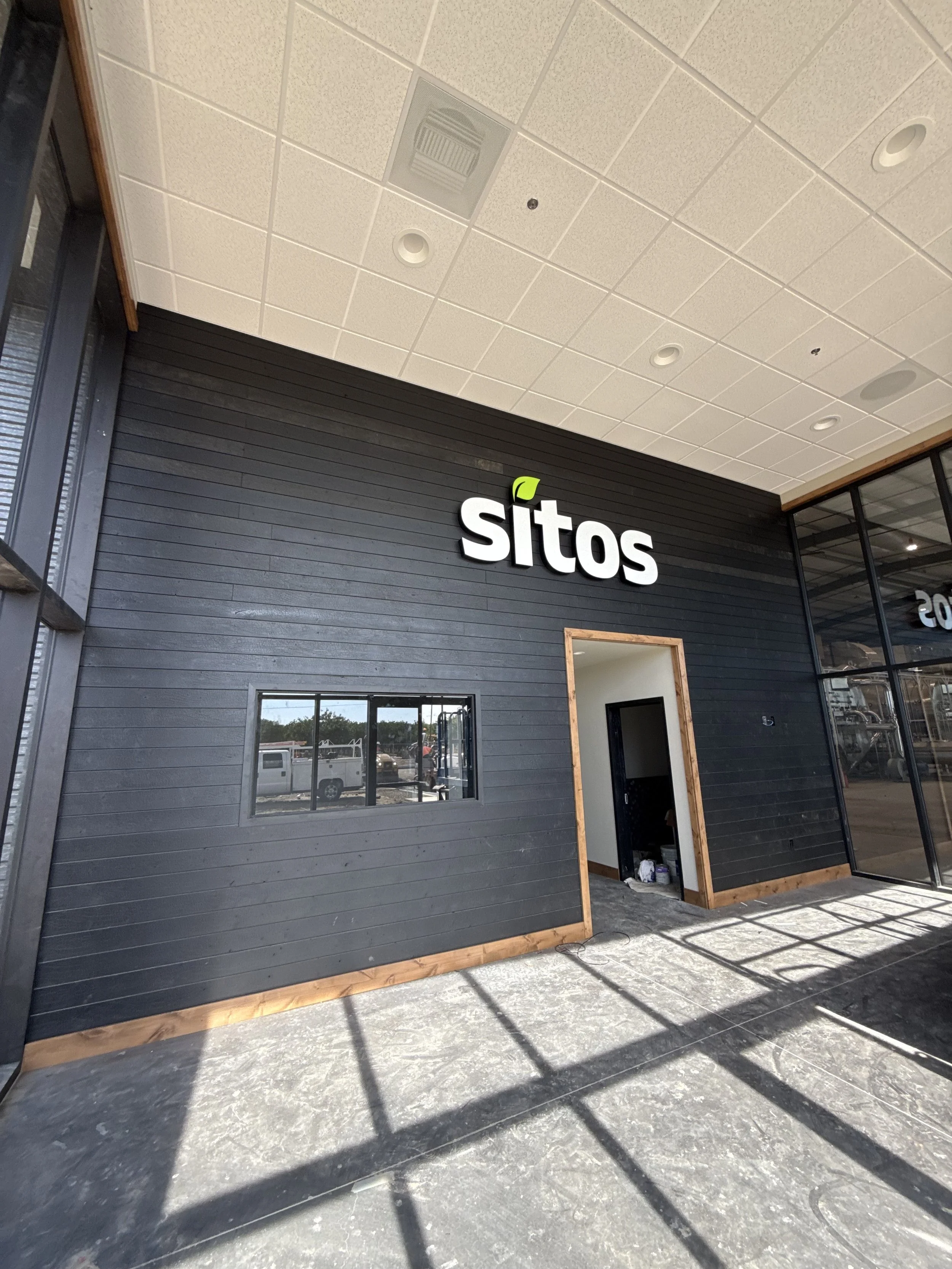
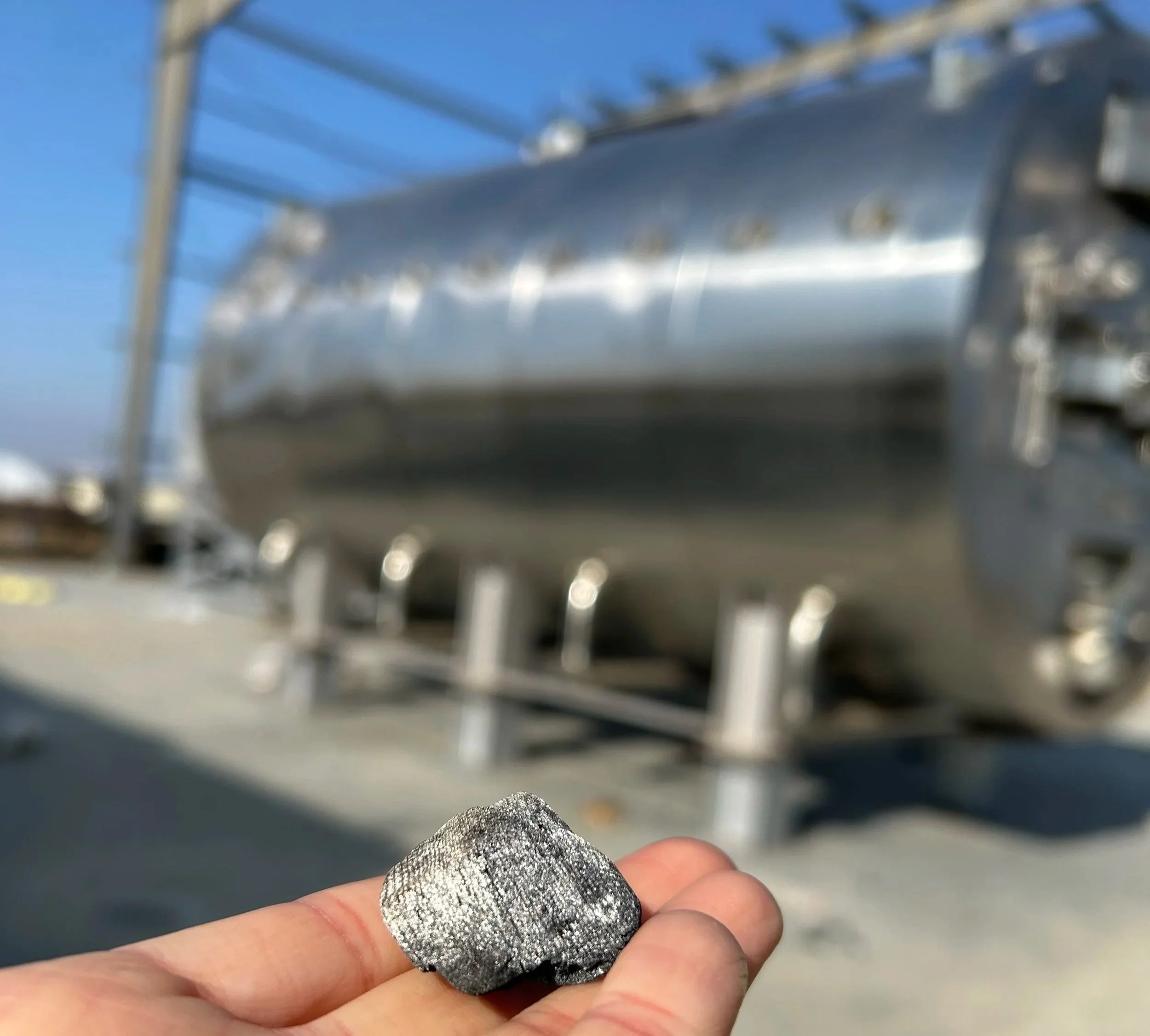
After more than a year and a half of planning, construction, and preparation, the Sitos Treehouse biochar plant in Delano, California, is just weeks away from commercial-scale biochar production serving agricultural communities. Managed by the Sitos Group, the facility will convert almond shell feedstock into high-value biochar, supporting healthier soils, generating durable carbon removal credits, and creating new value from agricultural byproducts.
Building on what we learned from our two-year pilot plant in Monterey County in partnership with RegGen Monterey, the Sitos Treehouse Plant marks the next chapter in our story. Scaling from pilot to commercial operations has validated what we've observed throughout our journey: there is growing demand for larger-scale, practical approaches to biomass utilization, particularly across California's Central Valley.
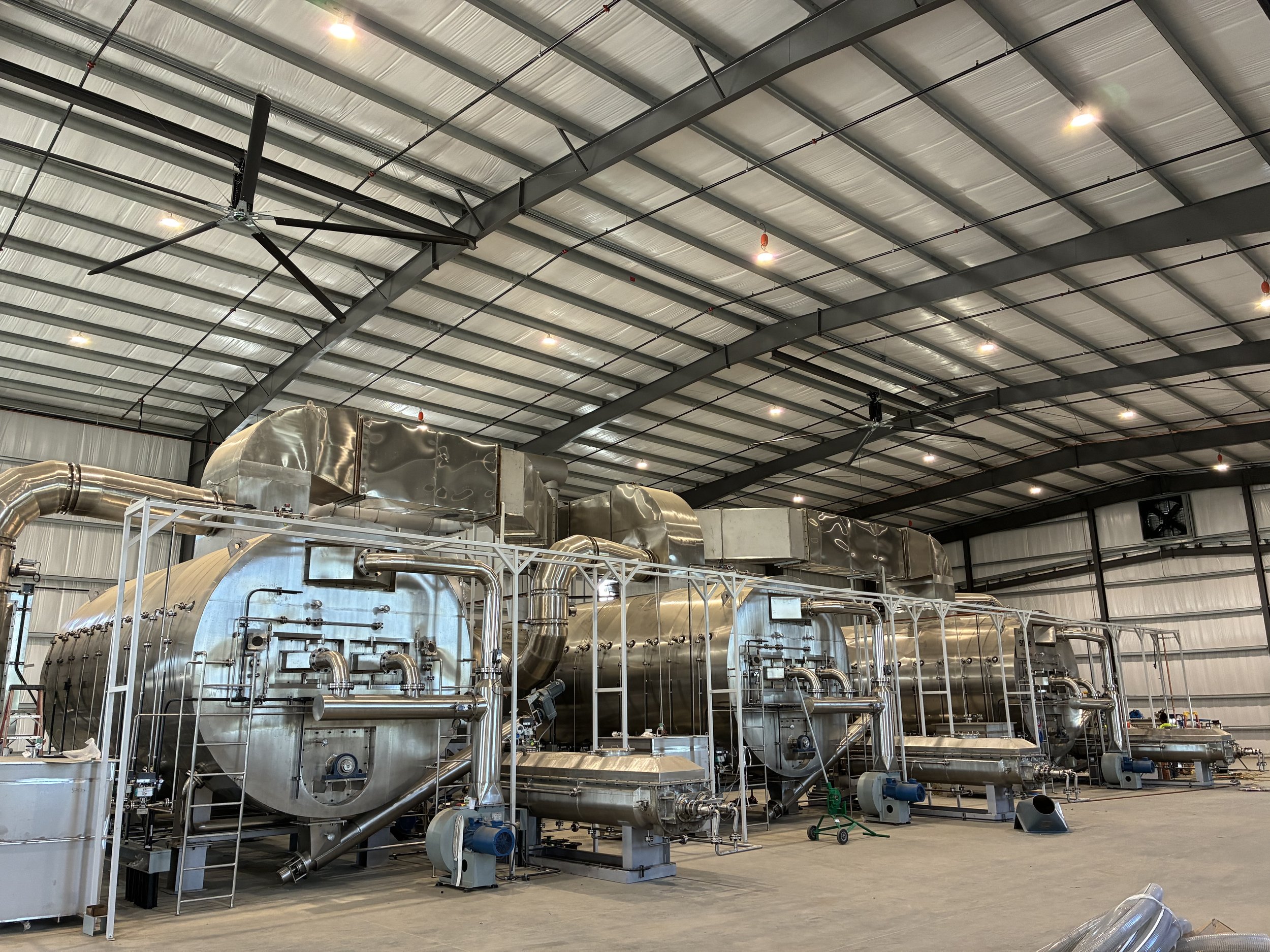
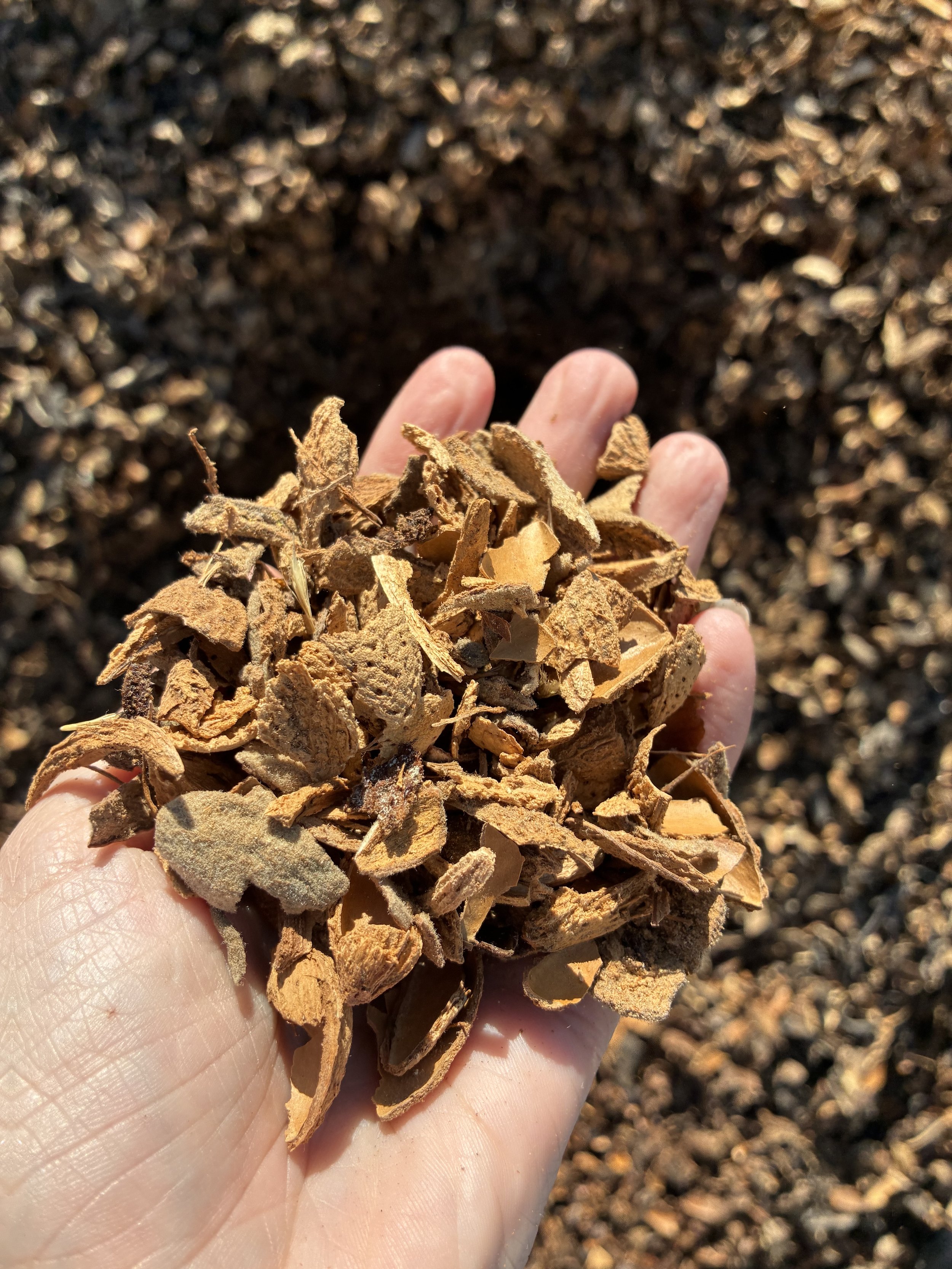
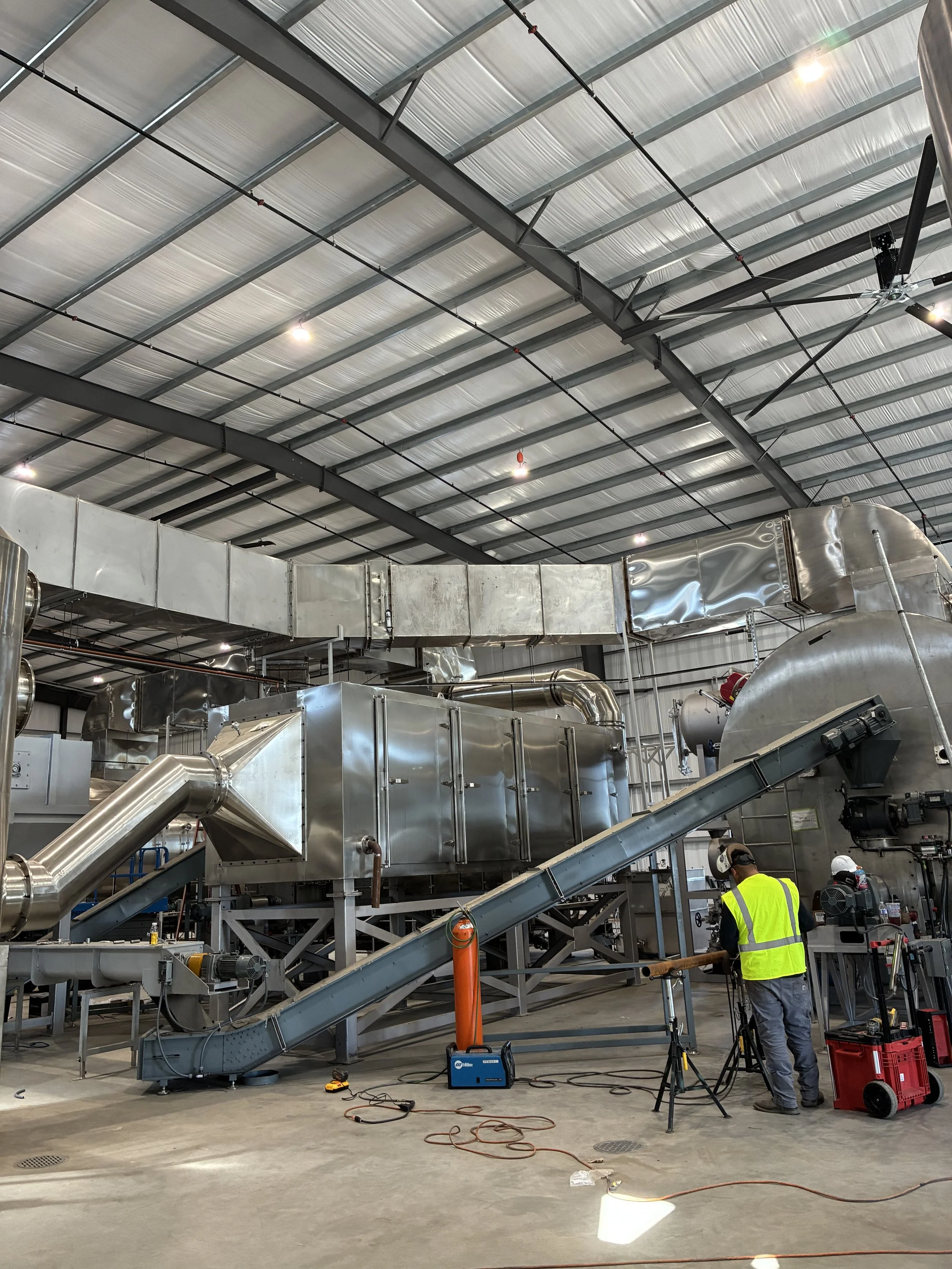
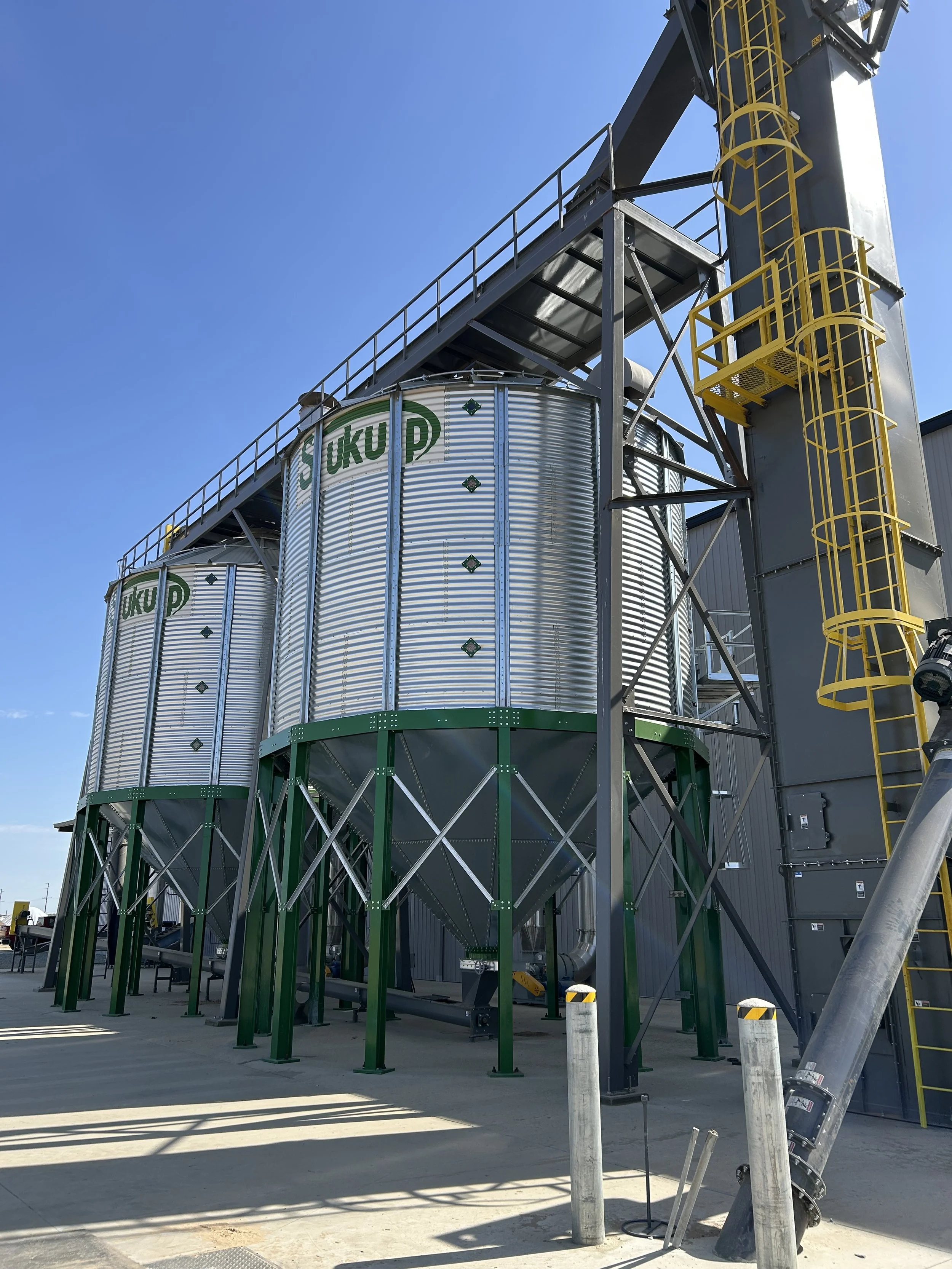
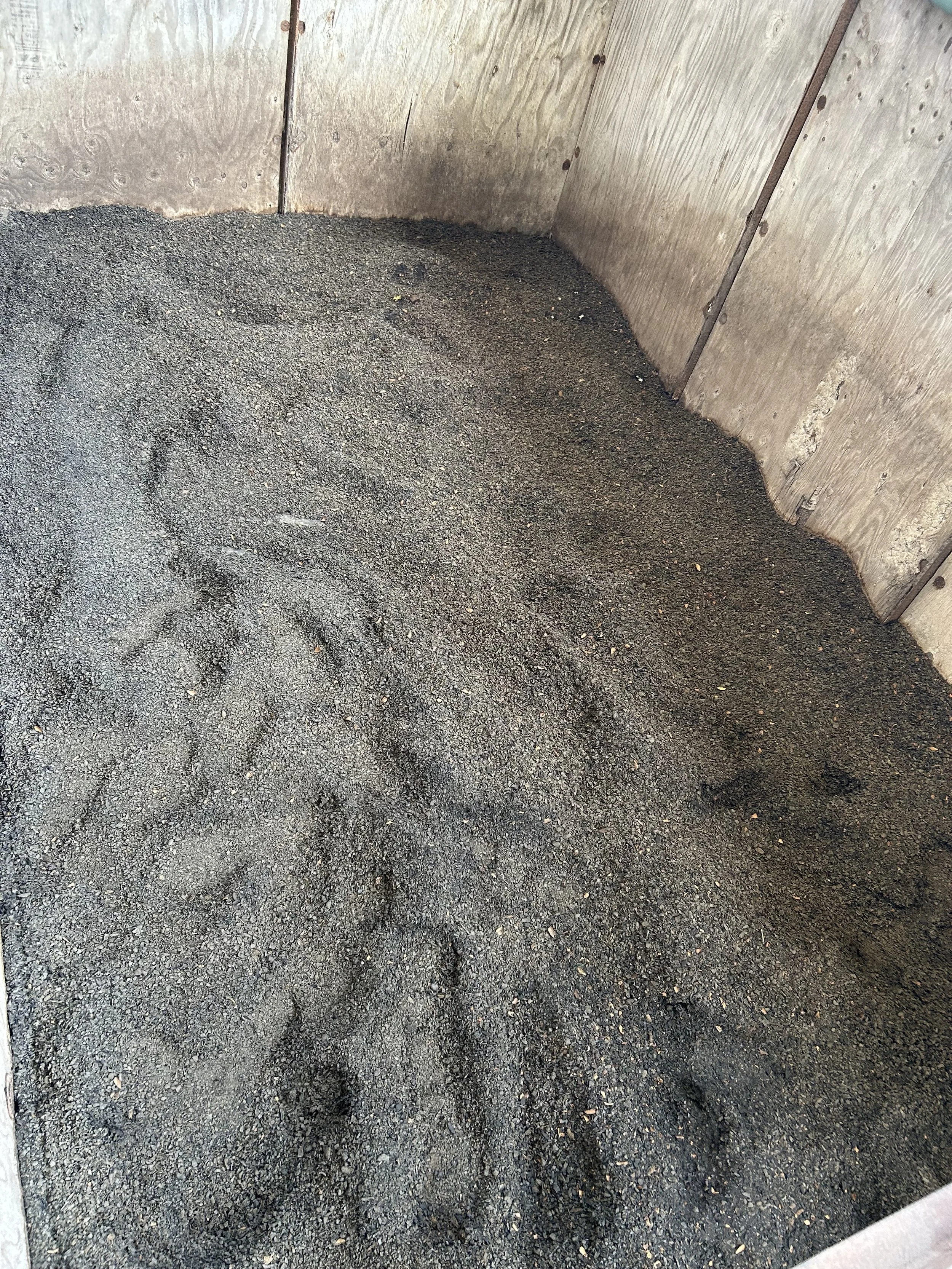
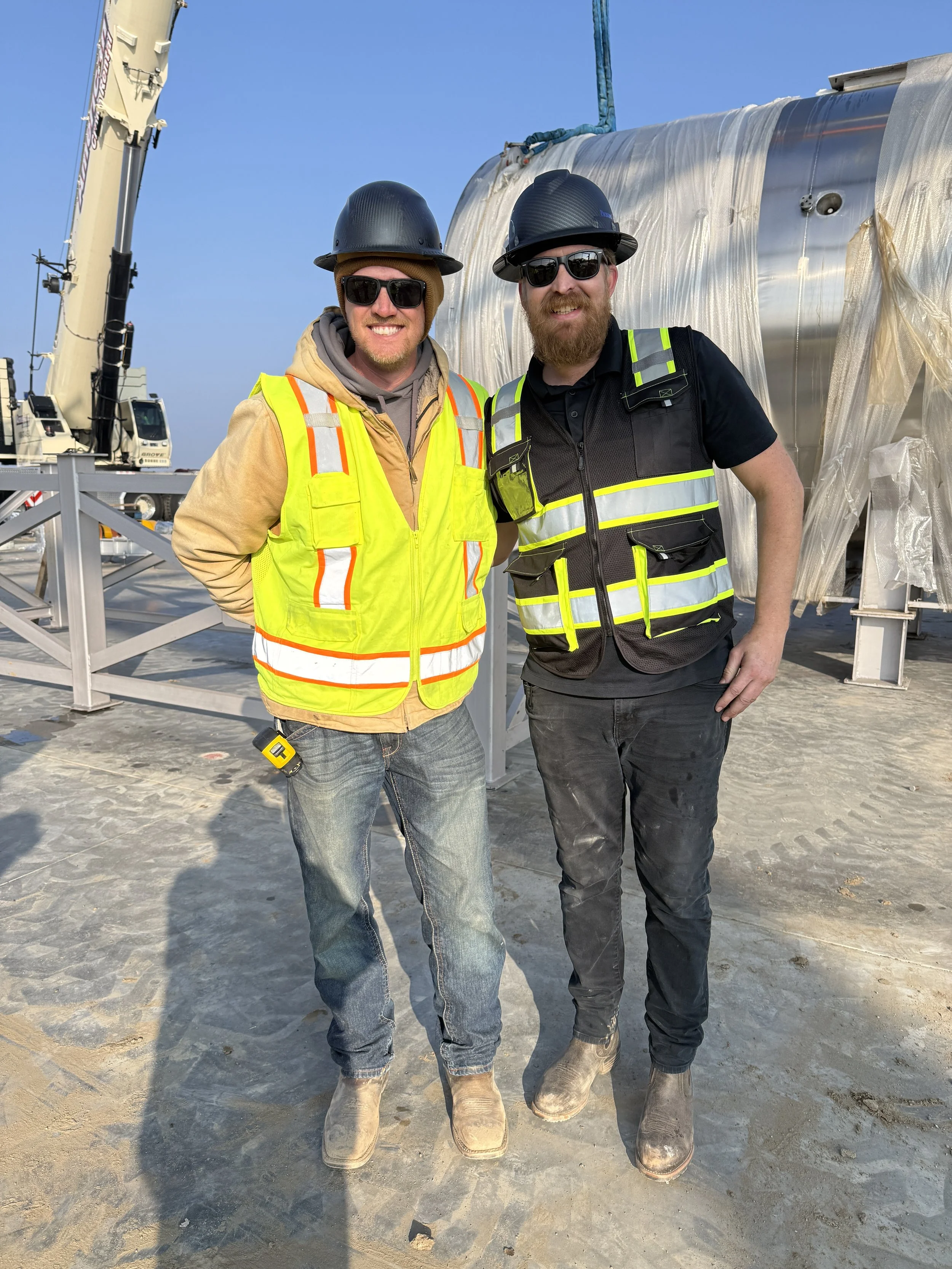
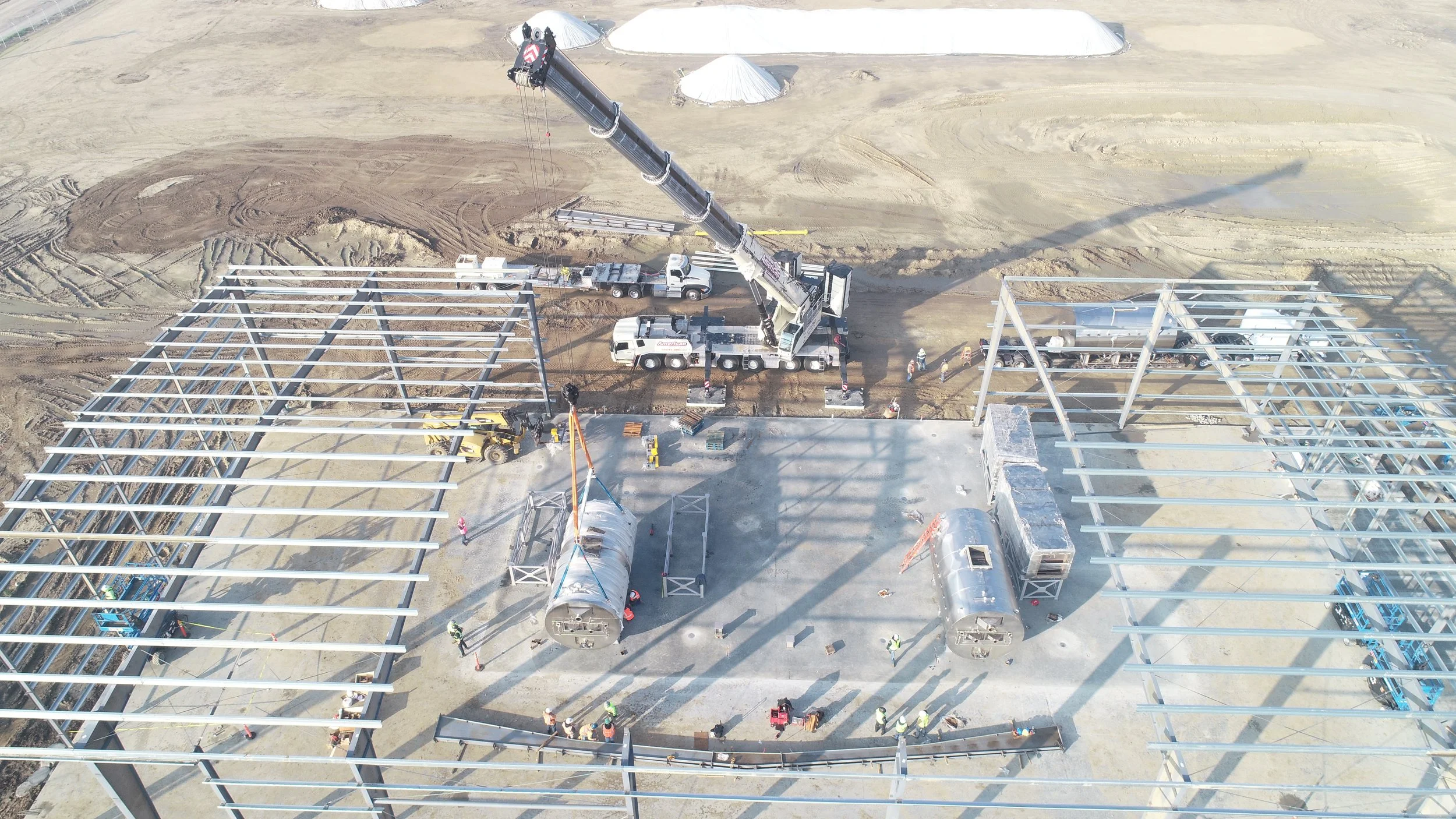
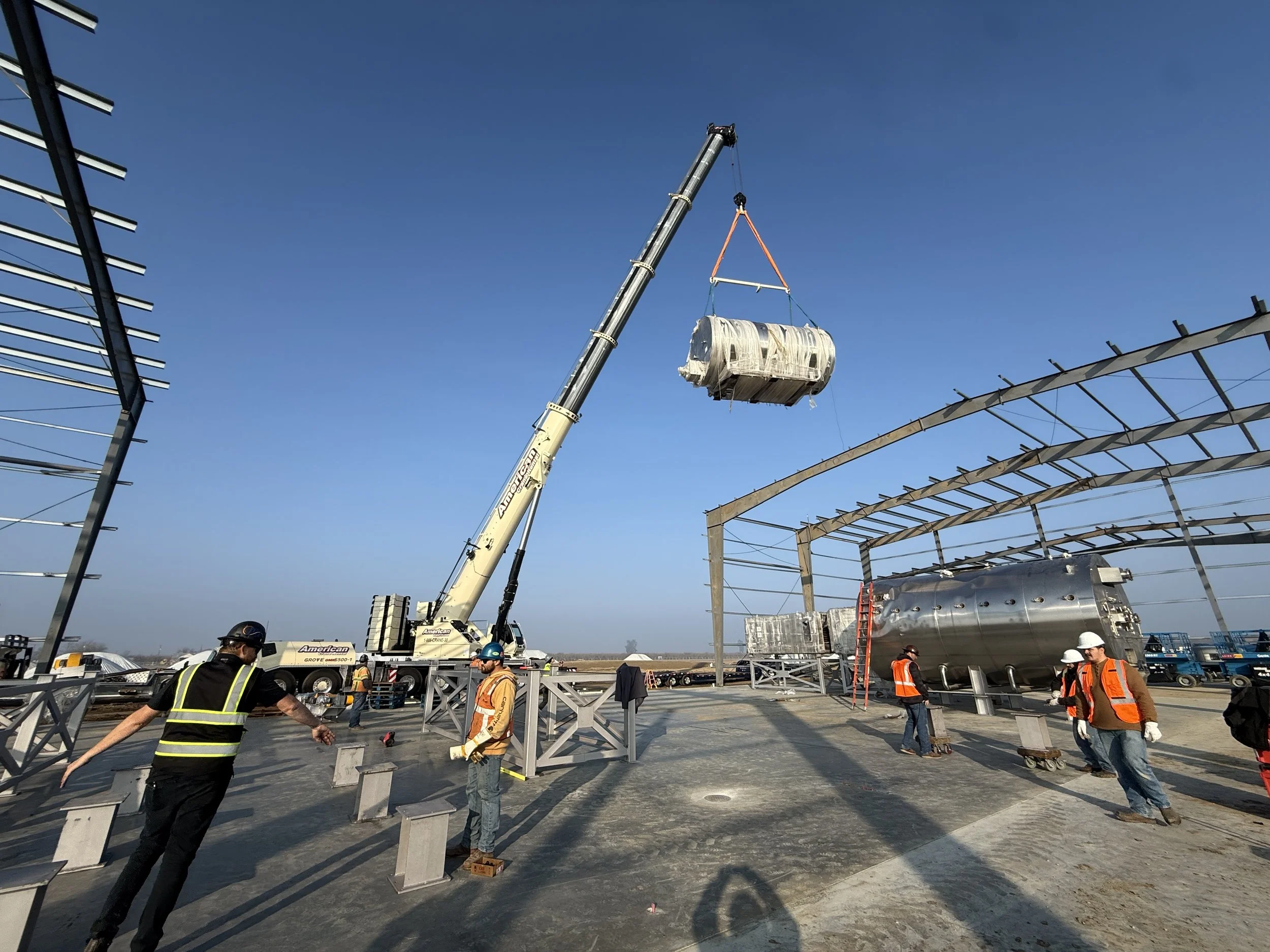
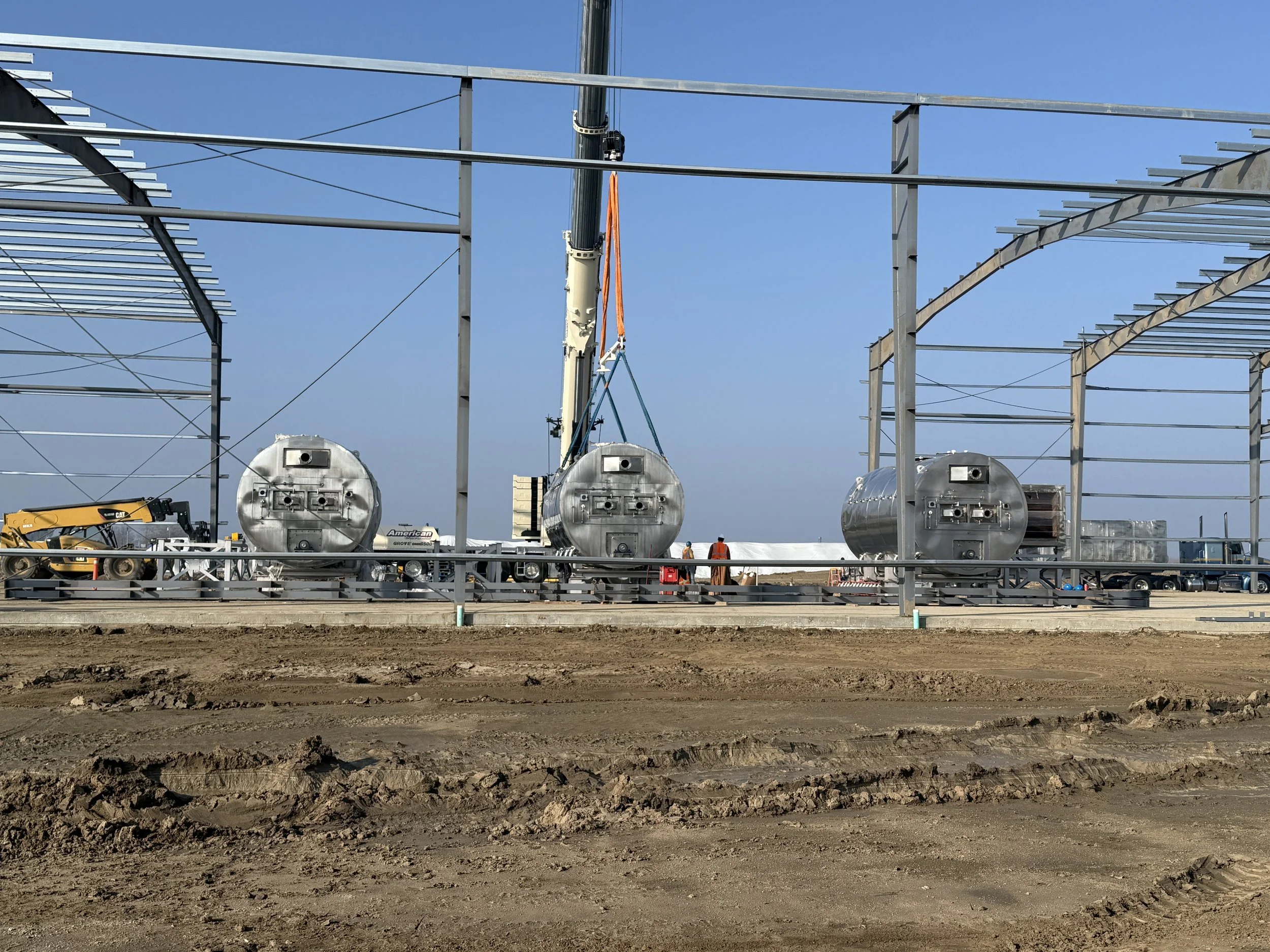
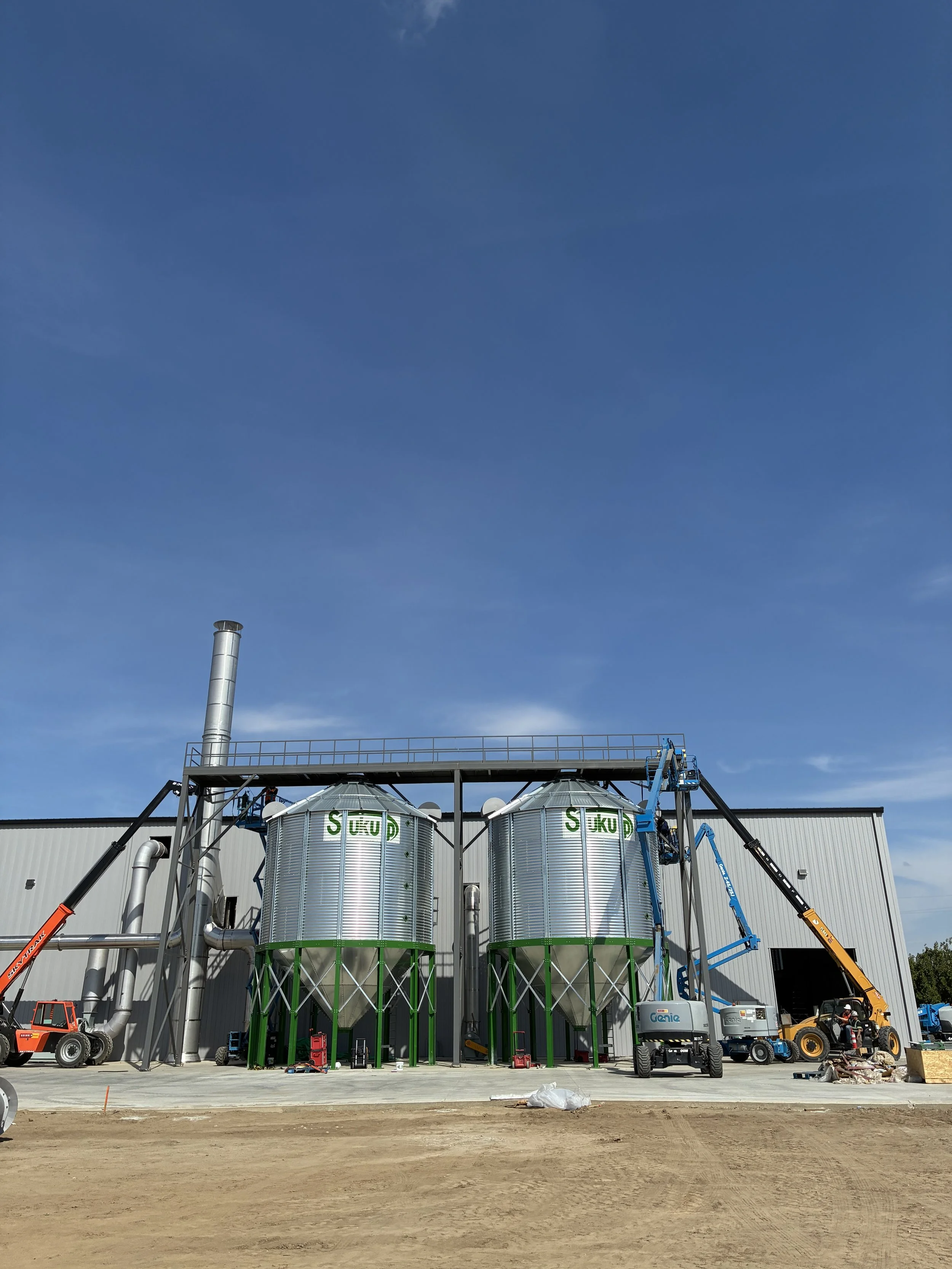
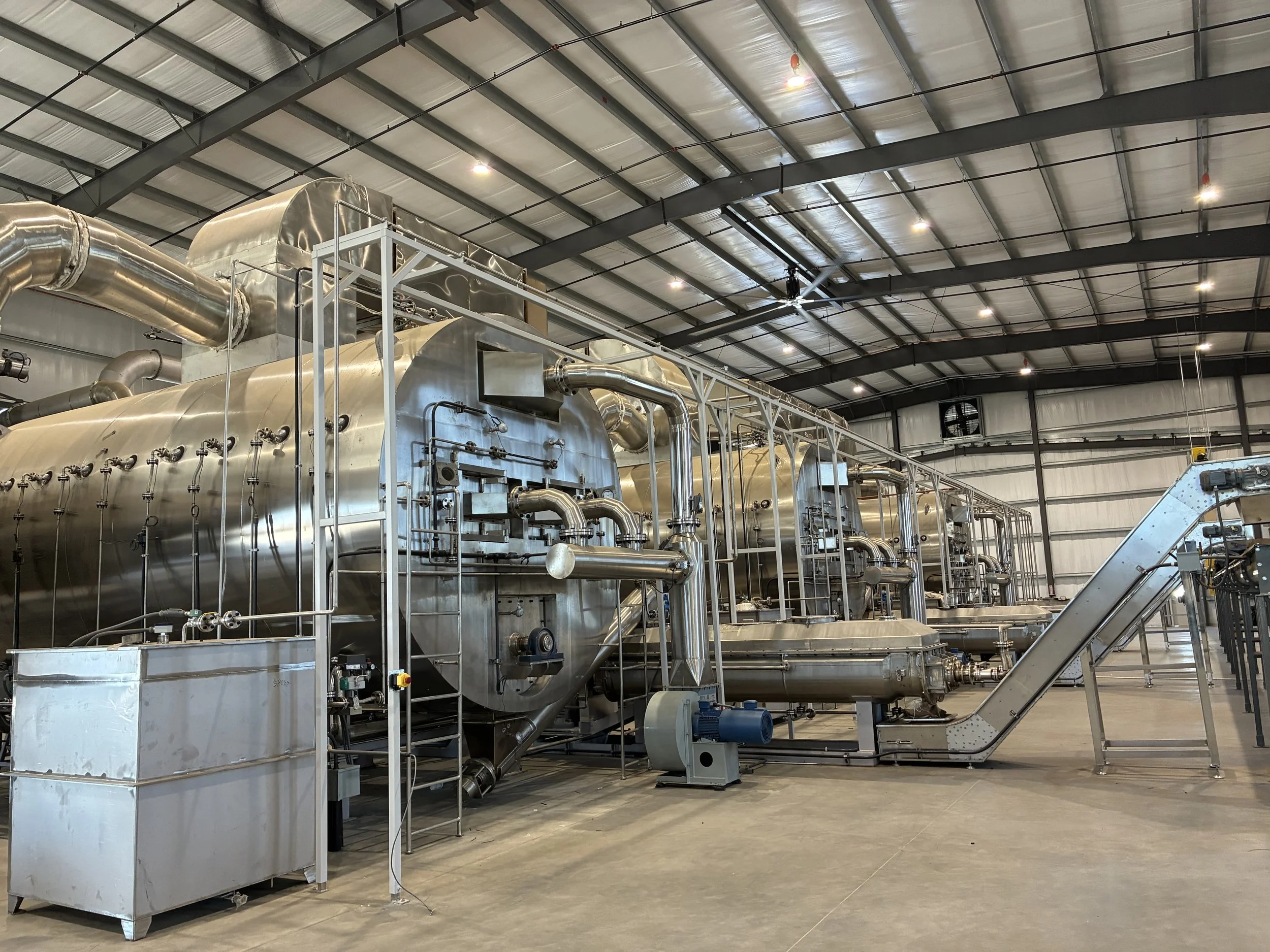
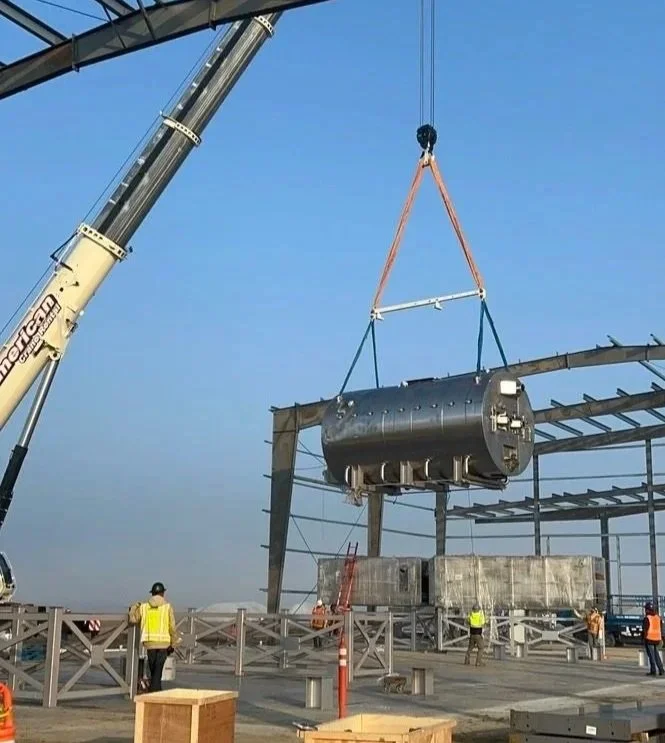
With construction now complete, the project has entered the commissioning phase. Over the coming weeks, we'll be testing and optimizing our systems as we prepare to begin commercial operations.
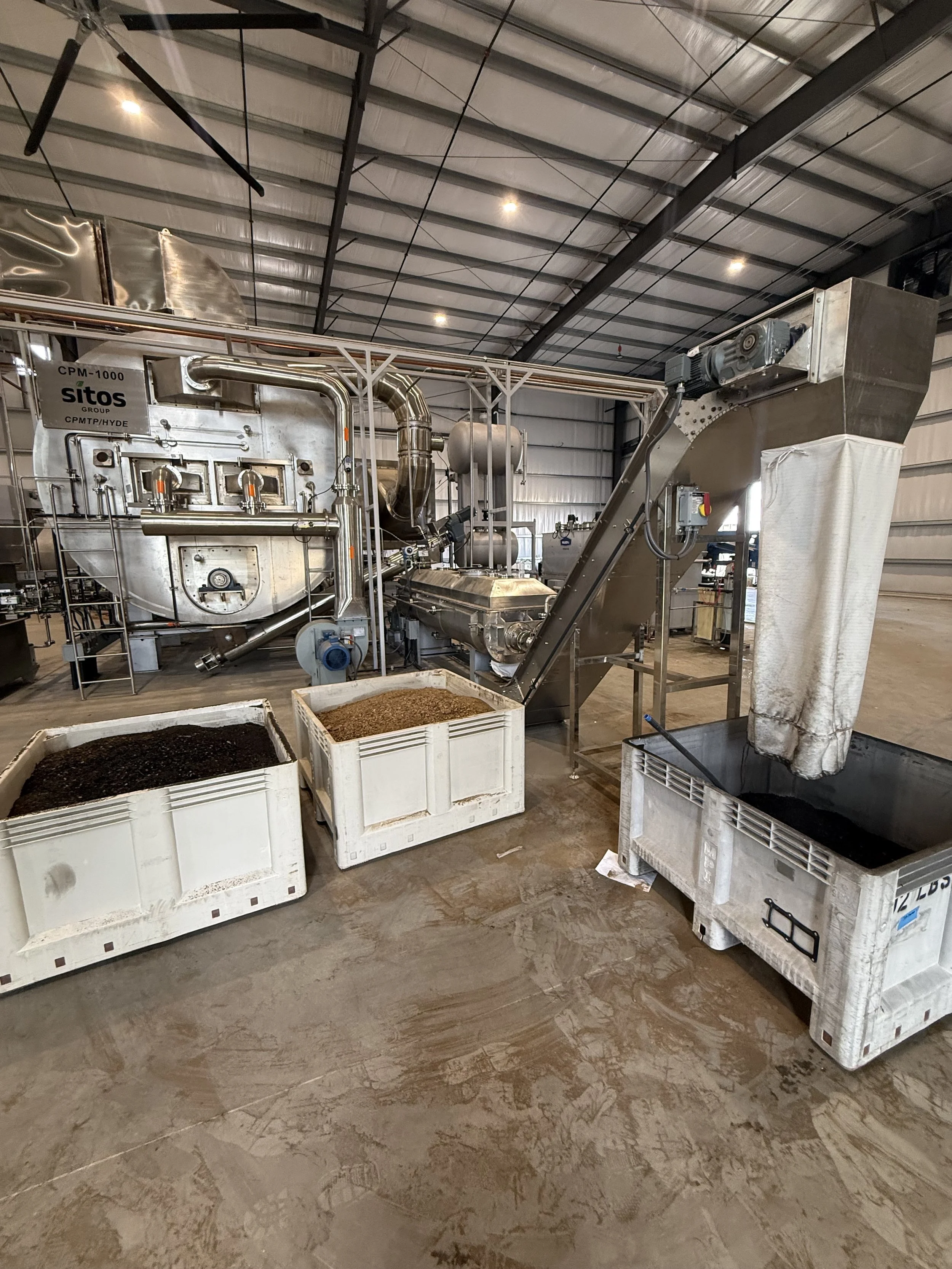
While each piece of equipment must perform as intended, commissioning is ultimately about ensuring the entire facility operates as one integrated system at commercial scale. From feedstock handling and conveyance systems to the pyrolysis process itself, every component must function reliably together. Reaching this stage has required close collaboration and creativity among our engineers, contractors, equipment manufacturers, and plant operators to identify, troubleshoot, and solve the real-world challenges that come with bringing a first of its kind commercial facility online.
Partnerships That Move Biochar Forward
While preparing the facility for commercial operations, we've also continued engaging with regulators, policymakers, and community partners to help advance the broader biochar industry. That has included meeting with the U.S. Environmental Protection Agency (EPA) to discuss biochar's role in long-term carbon removal, while working with local air districts and community partners to build awareness of the environmental and economic benefits that biochar projects can bring to California.
As commercial operations approach, we're also preparing the systems that ensure every ton of carbon removal is measured, verified, and transparent. Sitos Group has partnered with industry leaders including Valorize Systems and Isometric to build a high-integrity carbon removal program that will be ready from the start of production.
Investing In The Central Valley
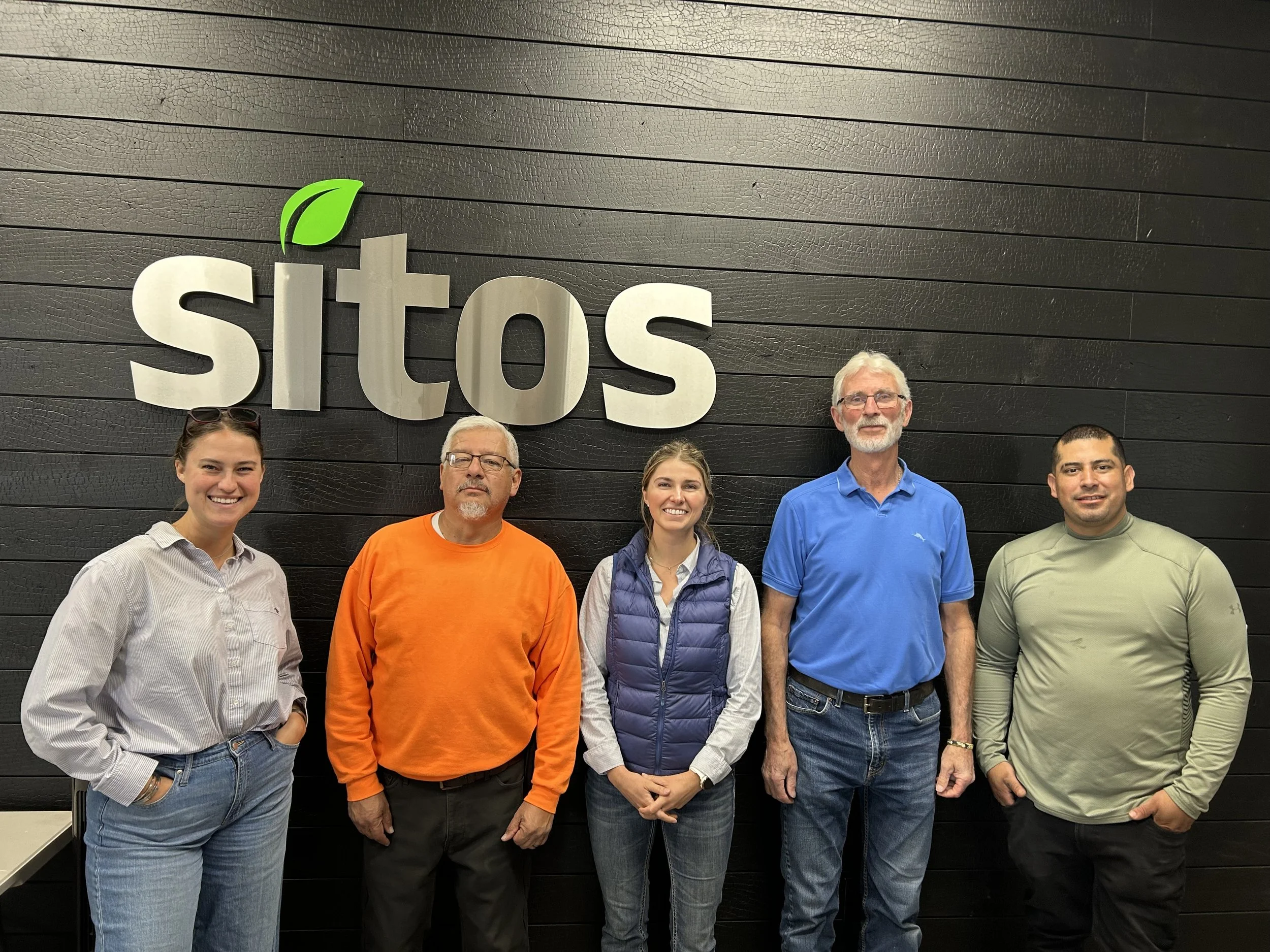
The growth of this facility has also meant the growth of our team. We see this project as more than new infrastructure. It's an investment in regional economic development and the future workforce of California agriculture. By building and operating this facility in California's Central Valley, we're creating skilled jobs at the intersection of agriculture and climate technology, bringing together two industries that have traditionally operated separately but are becoming increasingly connected.
As we look ahead, one of the most meaningful impacts of this facility will be its role within California's agricultural ecosystem. By producing biochar and utilizing agricultural biomass at scale in the Central Valley, we can significantly reduce transportation distances and build a more localized and efficient model for agricultural biomass management. That means transforming agricultural byproducts into a valuable soil amendment while supporting healthier soils, stronger farming operations, and long-term environmental benefits for the region.
For stakeholders across the biochar industry, the Sitos Treehouse project represents more than the launch of a new facility. It demonstrates what is possible when agriculture, engineering, and climate innovation come together to solve real-world challenges. As we prepare to begin commercial operations in Delano, we're excited to help expand the role of biochar in California agriculture and contribute to a more resilient, low-carbon future.